 Paulo
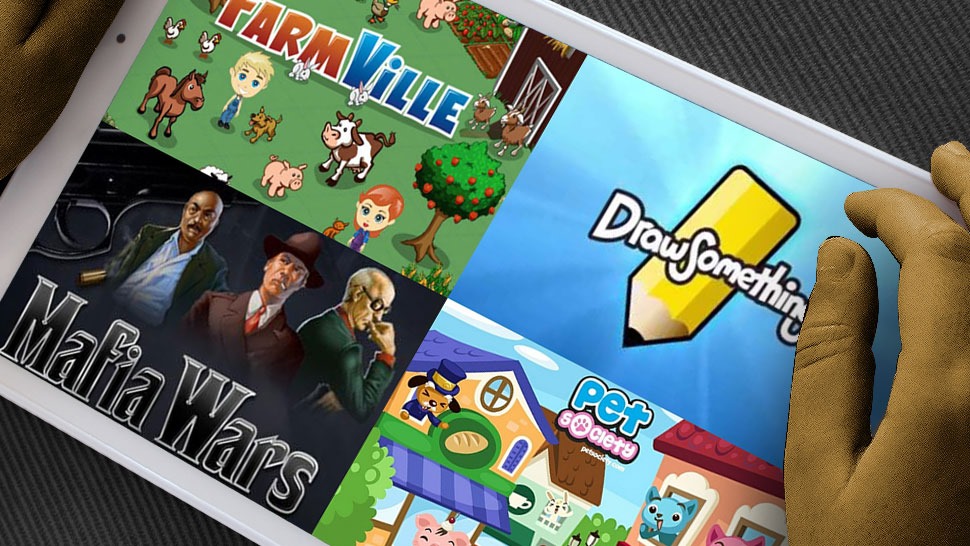
PauloRemember the wild days of Facebook games? You know, when “poking” was a legit form of communication, and every one of your friends was frantically trying to build a FarmVille empire? Ah, the golden age of virtual farming, restaurant-running, and mafia-building. These games weren’t just popular—they were alive, always changing and evolving, all thanks to the early magic of live operations, or live ops.
Back then, live ops were like digital band-aids—fixing bugs on the fly and tweaking gameplay based on player feedback. But today, live ops have evolved into something much, much bigger. Modern mobile games aren’t just alive, they’re basically sentient, demanding constant attention like a digital Tamagotchi. So, how did we go from watering fake corn on Facebook to managing a 24/7 thriving city of creatures, clans, and chaos on your smartphone? Let’s break it down.
The OGs: Facebook Games
In the early days of Facebook gaming, live ops were pretty scrappy. Imagine a group of devs in a dimly lit basement (or maybe just a cramped startup office), scrambling to keep FarmVille or Mafia Wars online as users bombarded servers with requests for chickens and AK-47s. The concept was simple: keep players engaged by rolling out updates, adding content, and fixing bugs before someone could angrily tweet about it.
These games were inherently social—your farm wasn’t just yours; it was a part of a bigger network of neighbors and frenemies. Everything you did impacted someone else’s virtual experience, creating a need for constant interaction and competition. This social gameplay loop was the birth of live ops as we know it: real-time content, constant updates, and a never-ending cycle of events to keep people coming back.
The Mobile Revolution: Bigger Screens, Bigger Ambitions
Fast forward to the era of smartphones, and the game changed (pun totally intended). Suddenly, people had a mini-computer in their pocket 24/7. The rise of Candy Crush, Clash of Clans, and other mobile juggernauts introduced a new breed of live ops—one that was faster, smarter, and built for an always-online world. No longer were updates a monthly thing; they became daily or even hourly affairs.
Mobile live ops became about constant player engagement: daily events, seasonal content, and community challenges. Developers had to think bigger than just throwing seeds at players (although that was pretty fun)—they needed to create ongoing narratives, keep balance in competitive play, and roll out social features that would make players feel connected even when playing alone on the toilet (you know it’s true).
Today’s Live Ops: It’s a 24/7 Party (No RSVP Required)
Today’s mobile games are like your clingy best friend—they always need you. This isn’t necessarily a bad thing. With better tools and platforms like Heartbeat (hey, that’s us!), live ops have evolved into a slick, automated system that allows indie devs to keep their games fresh with fewer headaches. Now, game devs can roll out new levels, introduce characters, or drop surprise challenges without pulling all-nighters (mostly).
And here’s the best part: today’s live ops are more about community than ever before. Modern games are built with social layers, guild systems, multiplayer tournaments, and even co-op missions, making them a lot more like digital social clubs than simple time-wasters. So, when a new event drops in your favorite gacha RPG, it’s not just about getting that sweet loot—it’s about the squad you run with and the bragging rights that come with being the very best, like no one ever was.
The Future: Automated Live Ops for Indie Devs
Indie devs, here’s the good news. You don’t need to be Zynga 2.0 to make your game thrive in the 24/7 ecosystem. Platforms like Heartbeat exist to help you run live ops like a pro without hiring an army of engineers. You can create real-time events, run server-side updates, and keep players engaged around the clock—without losing your sanity or your wallet.
The tools of today are democratizing live ops, making it possible for smaller studios to craft the kind of social experiences that once only big-name studios could pull off. Imagine creating a global event where players unite to defeat a giant cosmic chicken boss in real-time, then following it up with a community-wide voting event on which color to paint its eggs. The possibilities are endless, and the tech to make it happen is finally accessible.
In Conclusion: Live Ops Never Died; They Just Went Mobile
So, indie devs and fellow game enthusiasts, the next time you open your favorite mobile game and get hit with a surprise Halloween event or a limited-time loot box extravaganza, remember: it all started with those pixelated crops on Facebook. Live ops have grown up, and so have we.
The live ops journey from Facebook farms to mobile metropolises has been a wild ride, but one thing remains true: games are more fun when they’re alive and kicking, 24/7. So, let’s keep creating, keep innovating, and keep our games alive together—because nobody likes a dead game.